All POULTICES
-
Numotizine®
Numotizine® Medicated Poultice 6 lb
$83.95 -
KBC Branded Products
Kentuckytite 24-Hour Mud
$13.95 - $49.99 -
Finish Line® Horse Products
Finish Line® EZ Willow™ Poultice - 23 lbs
$52.95 -
Finish Line® Horse Products
Finish Line® EZ Willow™ Poultice - 5 lbs
$21.95 -
Numotizine®
Numotizine® Medicated Poultice 3 lb
$44.99 -
TRM® Ireland, Inc.
TRM® Staysound® Poultice - 25 lb
$51.49 -
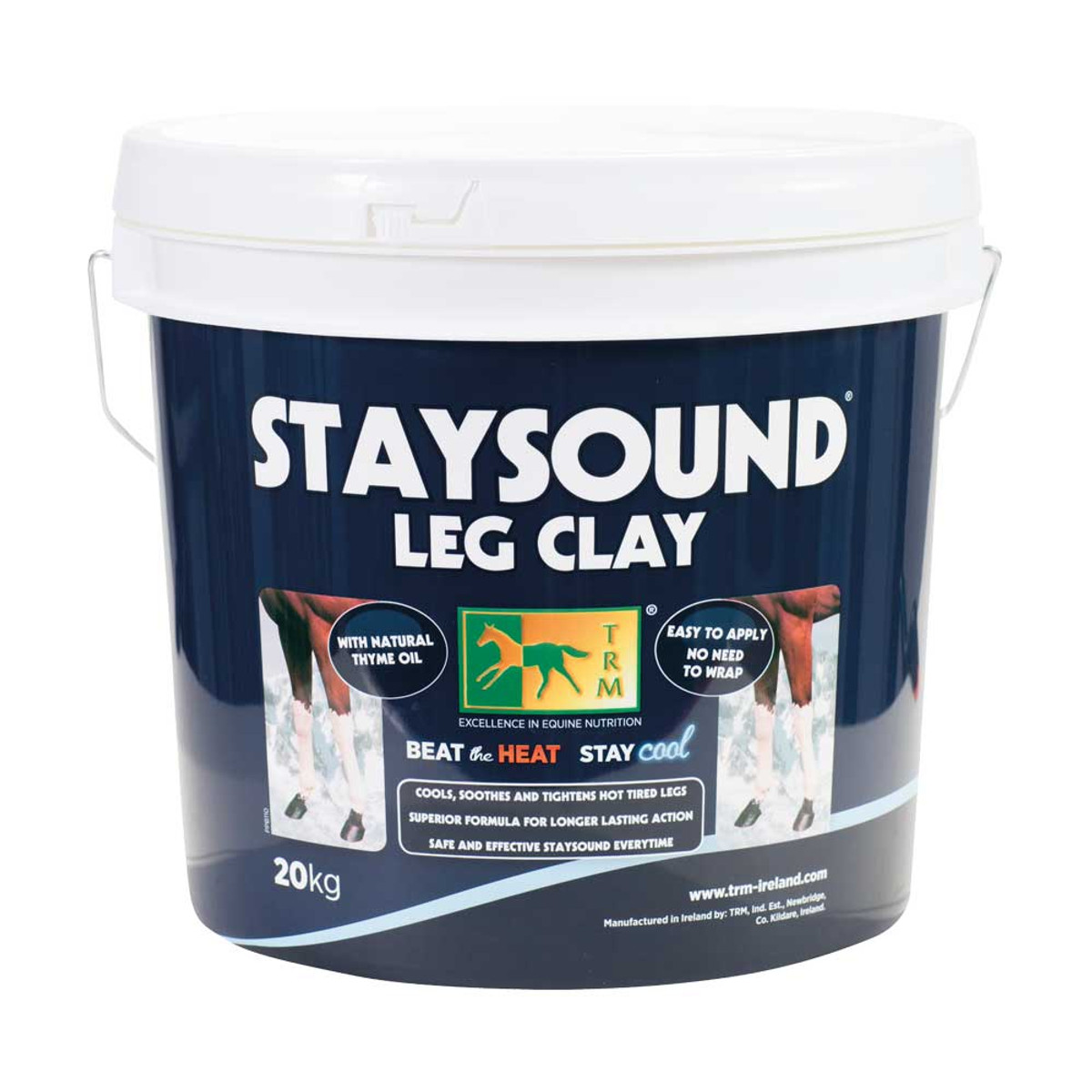
TRM® Ireland, Inc.
TRM® Staysound® Poultice - 44 lbs
$79.99 -
Ramardâ„¢, Inc.
Ramardâ„¢ Relief Poulticeâ„¢ - 5 lb
$39.95 -
Tenda® Horse Products
Tenda® Premium Medicated Poultice - 45 lb
$47.95 -
Tenda® Horse Products
Tenda® Premium Medicated Poultice - 23 lb
$40.95 -
Tenda® Horse Products
Tenda® Premium Medicated Poultice - 5 lb
$16.95 -
Tenda® Horse Products
Tenda® Original Performance Poultice - 45 lb
$40.95
Horse Poultice FAQs
How long do you leave a poultice on a horse's leg?
Most clay and mud poultices stay on 12 hours or overnight, then get rinsed or brushed off. A foot pack usually comes off at 24 hours and gets refreshed if it is still needed. Follow the label on the specific product, and do not run a wet foot pack more than two or three days in a row, or the sole and frog get soft. If heat or lameness is still there when the poultice comes off, that is a call to your vet, not a second application.
What's the difference between a clay poultice and a medicated poultice?
Clay poultices work mechanically. Bentonite or kaolin clay dries against the skin and draws moisture and heat out with it, which is what cools and tightens a leg after work. Medicated poultices use that same clay base plus active ingredients for more stubborn heat and soreness. As a rule of thumb: clay for routine after-work cooling on sound legs, medicated when a leg has been filling for a few days or a foot needs more than plain mud.
Can you use a poultice on a horse without wrapping it?
Yes. Clay poultices work fine left open. They dry down, and you brush the crust off the next morning. Wrapping over damp brown paper or plastic keeps the clay moist longer and gives a stronger, deeper draw, which is what you want on a filling leg or overnight in a stall. Leave it open for turnout, or if your horse is inclined to eat it off, or if you are just cooling legs out after a work.
What kind of poultice do you use for a hoof abscess?
A willow or drawing poultice, packed into the sole and wrapped, is what most barns reach for when a foot is suspected to be brewing an abscess. Drawing formulas are built to pull moisture and material out rather than just cool the surface. Get a vet or farrier to confirm what you are dealing with first, because an abscess and a bruise feel similar from the outside and are managed differently.
Can you poultice a horse the night before a show or a race?
Plenty of barns do, and clay poultices are a routine part of the night-before-and-morning-after program in the Lexington racing barns. Rules on topical products vary by discipline and governing body, and they change. Check the current USEF or FEI rulebook and the product label before a poultice goes on a horse that is competing, and ask your vet if you are not sure.